Stiff neck from long commutes into London. A runner’s tight calf that keeps flaring at mile three in Lloyd Park. The shoulder that grumbles after a day of lifting at the warehouse on Purley Way. When you live in a busy place like Croydon, daily loads add up. Manual therapy gives people a way to interrupt that cycle: targeted hands-on techniques that ease pain, soften protective muscle tension, and help joints move the way they were designed to move.
In my practice as a Croydon osteopath, I lean on soft tissue work more than any other tool. It is specific, adaptable, and responsive to patient feedback in a way few modalities are. Whether you settle in at a clinic near East Croydon station or prefer an osteopath south Croydon, the principles are the same. Good hands-on care respects anatomy and nervous system physiology, and it always ties technique selection to a person’s story and goals.
What manual therapy means in osteopathic practice
Manual therapy is not one single technique. Think of it as a toolbox of skilled touch, movement, and pressure methods applied to muscles, fascia, skin, nerves, and joints. Osteopathic treatment Croydon often combines soft tissue methods with gentle joint articulation, patient-led muscle activation, and movement coaching. The aim is functional: reduce pain, improve range and coordination, and support tissue health so that day-to-day tasks and hobbies feel easier again.
A few principles guide the approach.
- Structure and function are interrelated. If tissue quality and joint mechanics improve, movement feels safer and less painful, which helps the nervous system step down its protective guard. The body adapts. Load it gradually and sensibly, and it gets stronger. Overload it in one pattern for too long, and something starts to complain. Manual therapy helps create a window where graded activity becomes possible again. Context matters. The same pressure that soothes a marathoner’s IT band might overwhelm someone two weeks after a back spasm. Dosage must fit the person in front of you.
When people search for an osteopath near Croydon, they usually want more than a quick rub. They want assessment, reasoning, and a plan. In a well-run osteopathy clinic Croydon patients should expect a full conversation, a hands-on exam that relates findings to their symptoms, and a treatment plan that links soft tissue work to rehabilitation and self-care.
Soft tissue techniques that ease pain and restore motion
Soft tissue techniques in osteopathic care range from light to firm, from purely passive to active with your help. The right choice depends on the tissue irritability, the stage of healing, and your response in the moment. Below is a concise overview of the main categories you may experience with a registered osteopath Croydon residents trust.
- Myofascial release. Gentle, sustained stretch across the fascia and its attachments. Useful for persistent tension that feels “grippy,” especially around the neck, low back, and hips. The tempo is slow to allow the tissue and nervous system to settle. Muscle energy techniques. You supply a small, controlled contraction while I guide the position. After your effort, we use the reflex relaxation window to gain a bit more length or alignment. Ideal for stubborn hip rotators, hamstrings, and upper neck muscles. Trigger point therapy. Focused pressure on a tender, taut spot in a muscle, usually held 20 to 60 seconds and adjusted to comfort. Good for headaches linked to the upper trapezius, tennis elbow, or gluteal referral pain. Deep transverse friction. Precise strokes across the direction of a tendon or ligament’s fibres to influence local circulation and sensitivity. Often used for Achilles and patellar tendon irritations, or after ankle sprains. Lymphatic and fluid techniques. Light, rhythmic strokes to encourage fluid movement and reduce a sense of congestion or puffiness. Helpful after acute sprains, in post-operative phases with medical clearance, or when swelling limits motion.
Each of these can be adapted. Pressure can be featherlight or reasonably firm. Positions can be supported for comfort with pillows. The work can be combined with heat or gentle movement to amplify the effect. What matters most is the dose-response: the technique should feel tolerable during application, and you should feel either immediate ease or the potential for easier movement afterward.
Why soft tissue methods help the painful body
Pain is never one thing. It reflects tissue status, but also the brain’s prediction of threat based on past experiences, beliefs, sleep debt, and stress chemistry. Hands-on care speaks to both sides of that equation.
On the tissue level, manual pressure and stretch can increase local circulation, shift extraneous muscle tone, and temporarily modulate nociception. For example, a sustained hold on a tight calf may reduce the excitability of the muscle spindle, giving you a short window where the ankle dorsiflexes further. Repeated sessions, paired with graded loading, encourage more durable change through tissue remodeling and motor learning.
On the nervous system level, safe, non-threatening input reduces protective guarding. When the body experiences a contact that is predictable, respectful, and associated with easier movement, threat perception drops. This is one reason patients often report that their neck moves better immediately after targeted cervical soft tissue work. The joint was not “out of place.” The brain relaxed its clamps.
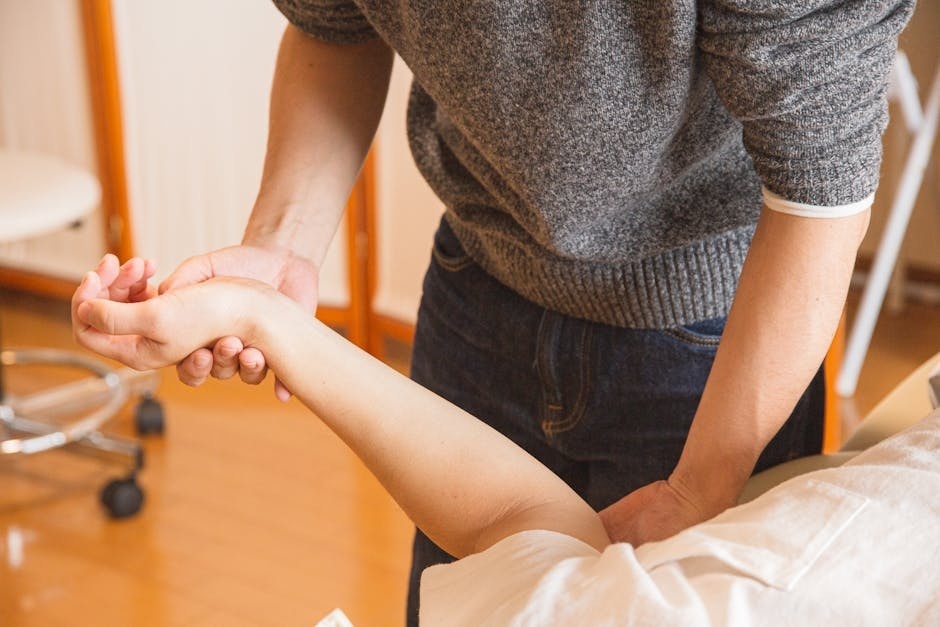
None of this dismisses structural findings. Osteoarthritis creates genuine changes on imaging, and tendon overload alters collagen organisation. The key is proportionate response. The evidence base suggests that manual therapy can reduce pain and improve function for many musculoskeletal complaints when combined with education and exercise. That is the model I follow in joint pain treatment Croydon patients can rely on.
Where soft tissue work shines in everyday Croydon life
Desk-bound city workers, tradespeople, parents of toddlers, and weekend warriors all arrive with recognisable patterns. The complaints differ, yet the strategies share common threads.
Neck and shoulder pain in commuters. Many people from East Croydon, South Croydon, and Purley travel long distances, then work on laptops. The combination of chin poke, shrugging, and holding stress in the upper traps creates tender bands that refer to the head and shoulder. Myofascial release through the levator scapulae, trigger point work in the trapezius, and gentle joint articulation at the registered Croydon osteopath mid-back often free up neck rotation. Paired with simple breaks and a better laptop-to-eye-height setup, symptoms tend to settle within a few weeks.
Lower back pain with or without leg symptoms. Acute lower back spasms usually demand calm, not force. I favour soft, broad contact through the lumbar paraspinals, breathing-focused release of the diaphragm, and pelvic muscle energy techniques. As pain settles, we add gentle flexion-rotation mobilisations to the thoracic spine, because a stiff mid-back often pushes extra load to the low back. For sciatica-like symptoms, targeted gluteal and piriformis soft tissue often eases buttock pain and improves comfort when sitting on the tram to Centrale.
Shoulder impingement in overhead workers. Painful arcs when reaching into cupboards or lifting drywall can reflect rotator cuff overload, bursal irritability, or simply a grumpy tendon. Deep friction at the supraspinatus tendon combined with scapular control drills creates a helpful pairing. Patients regularly report that sleeping on the affected side becomes tolerable again within three to six weeks, provided load is adjusted sensibly.
Knee pain in runners and footballers. In Addiscombe and Shirley, I see plenty of runners training on mixed terrain. Iliotibial band irritation is common, as is patellofemoral pain. Direct pressure on the ITB is rarely the hero. Better results come from glute medius and TFL trigger point work, quad tendon friction where needed, and progressive plyometrics. For jumpers’ knee, eccentric loading is the engine, with soft tissue work used to reduce pain enough that training can continue.
Jaw, headache, and desk stress. Not every osteopath is comfortable treating the jaw, but careful soft tissue work through the masseter, temporalis, and upper cervical muscles can profoundly reduce tension-type headaches. I explain the aim and always work within comfort. Patients often learn to self-release the masseter to use during workdays.
Plantar fasciitis and stubborn heel pain. The plantar fascia responds best to load management and progressive strengthening. That said, targeted soft tissue work through the calf complex and intrinsic foot muscles, plus tibial nerve mobilisations, can make those first steps in the morning much less brutal. Night pain that disrupts sleep is a key factor I monitor, because improved sleep accelerates recovery.
Pregnancy-related back and pelvic girdle pain. As the body adapts to a changing centre of mass, ligament laxity and altered loading patterns affect how the hips and low back feel. Soft, non-aggressive techniques that respect comfort in side-lying positions help reduce protective spasm. I always liaise with midwives when needed and focus on positions and movements that feel safe in daily life, like getting in and out of a car or rolling in bed.
People rarely have a single issue. A South Norwood gardener may present with right elbow pain from secateurs, a stiff thoracic spine from bending, and left knee discomfort on stairs. The art lies in deciding where to start to make the biggest difference. Often, freeing the mid-back changes how the shoulder loads, which eases the elbow. Soft tissue work provides a fast way to make that meaningful change.
A few patient stories from the local area
Names changed, details shared with permission.
Tom, 39, rail project manager commuting from Sanderstead to London Bridge. By Thursday each week, his neck felt fragile, and he dreaded reversing the car because checking blind spots hurt. We used slow myofascial release through the posterior neck, plus muscle energy at C1-2 for rotation. I spent five minutes on his upper chest to reduce the habit of holding his shoulders up while typing. After the first session, rotation improved by about 20 degrees. We spaced four sessions over six weeks while he added two micro-breaks daily and raised his screen at home by 8 centimetres. At review, he could shoulder-check freely and had started planning a cycling weekend.
Farah, 28, new mum in South Croydon with low back ache and a hot, tight midline after an unplanned caesarean six months earlier. She worried about sit-ups. We avoided direct abdominal pressure and focused on gentle rib cage mobility and thoracolumbar soft tissue to help take the edge off guarding. I taught her how to exhale and brace before picking up her son. Within three visits, she felt confident on stairs while carrying the baby, and night discomfort reduced significantly. We deferred any scar-specific work until she felt fully comfortable and the tissue was no longer sensitive.
Leo, 17, academy goalkeeper in Shirley. Sharp pain at the front of the knee with jumping and sprinting. On exam, patellar tendon tenderness and tight quadriceps, but stable ligaments. We combined deep friction to tolerance at the patellar tendon with progressive eccentric squats and controlled return to plyometrics. Two shorter sessions a week apart, then fortnightly for a month. He returned to full training with no pain on maximal jump testing, and we agreed a maintenance programme to reduce the chance of recurrence.
Anita, 64, retired teacher in Thornton Heath with thumb base osteoarthritis and neck stiffness. Hands were sore on cold mornings, and she had given up knitting. Soft tissue work at the thenar eminence, gentle joint articulation at the thumb CMC, and cervical soft tissue eased pain. We added heat packs and short, frequent thumb isometrics. After three weeks, she could knit for 15 minutes at a time without a pain spike.
These are typical patterns in a local osteopath Croydon clinic. The thread running through each story is simple: match the technique and dose to the person, and tie hands-on work to habits they can practice between sessions.
What to expect at an osteopathy clinic in Croydon
If you are booking with an osteopath near Croydon for the first time, a clear process helps you feel at ease.
- Conversation and history. We discuss your symptoms, health background, work and sport loads, sleep, and what you have tried. Red flags are screened carefully. If something does not add up, I explain it and, if needed, arrange onward referral. Movement and hands-on exam. I look at how you move, where it hurts, and which positions ease or aggravate symptoms. I test joints and soft tissues to build a picture that fits your story. Explanation and consent. You hear what I think is going on, the realistic prognosis, and the plan. I outline the techniques I propose. Your consent is ongoing and can be changed at any time. Treatment and re-test. We apply soft tissue methods in positions that feel safe, then re-check key movements to see what changed. This helps keep us honest. Aftercare and plan. Expect simple home strategies and a review of activity load. I also explain potential post-treatment soreness, which usually feels like mild workout stiffness for 24 to 48 hours.
A good osteopathy clinic Croydon patients rate highly will never rush consent or push techniques that feel threatening. Communication is part of treatment. I often ask, how does this pressure feel, and can you breathe through it? Those answers guide dosage far better than any protocol.
Safety, modifications, and when to pause
Manual therapy is generally safe when performed by a registered osteopath Croydon residents can verify with the General Osteopathic Council. Still, certain situations call for caution. Acute infections, open wounds, uncontrolled hypertension, deep vein thrombosis, or recent fractures require medical management and specific clearance before any hands-on work. For people on anticoagulants or with fragile skin, pressure is adapted. For hypermobile patients, the emphasis shifts toward stability and proprioception, with lighter soft tissue work to avoid overstretching.
I am conservative with high-velocity thrusts in the neck and rarely use them. Most patients do well with soft tissue work and graded movement. If symptoms change in unusual ways, like new severe night pain, saddle numbness, rapidly progressive weakness, or unexplained weight loss, I discuss it immediately and coordinate further investigation. Being thorough protects you and keeps care aligned with best practice.
How soft tissue work pairs with movement and lifestyle
Hands-on work opens the door, but movement keeps it open. After reducing pain and guarding, I build simple tasks that build tolerance. For a person with lateral hip pain who loves walking Coombe Woods, that might mean short stride adjustments and a glute medius drill they can do at a bench in the park. For a parent who sits to feed a baby at 2 a.m., it might mean a lumbar support pillow and a 30-second thoracic rotation each time they stand.
Heat often helps sore muscles relax, especially in the upper back and neck. Ice can be soothing around inflamed tendons in very short bouts if it feels good, though it is not essential. Sleep is an overlooked ally; moving bedtimes 15 minutes earlier and reducing phone time before sleep can change pain tolerance significantly within a week. Hydration matters more when training or working manual jobs. None of this is glamorous, but each variable adds a small gain, and gains stack.
Evidence without hype
Patients value results, not buzzwords. The broader musculoskeletal literature suggests that manual therapy can reduce pain and improve function for conditions like mechanical neck pain, low back pain, tension-type headaches, and some peripheral joint complaints. The effect sizes are often moderate and best sustained when combined with education and exercise. Imaging does not predict pain as well as many assume, and degenerative findings on scans are common even in people without symptoms.
In practice, this means I use manual therapy to change symptoms enough that you can move and load with confidence. Then we leverage that window with targeted activity. If a patient is not improving as expected within a reasonable timeframe, we reconsider the diagnosis, vary the approach, or involve other professionals. That is how quality joint pain treatment Croydon patients deserve should operate.
Choosing the right practitioner in a crowded market
People often ask how to find the best osteopath Croydon has to offer. Better phrased, how do you find the right person for you?
Look for registration and transparency. A registered osteopath Croydon patients can verify will display a GOsC number and be happy to explain their approach. They should discuss fees clearly and set expectations for number of sessions.
Ask about experience with your exact complaint. If you have TMJ-related headaches or a post-natal recovery goal, it helps if your clinician knows that terrain well.
Notice how they listen. The best outcomes happen when the clinician links your story to the plan and checks your understanding. Do they adjust techniques based on your feedback? Do they offer self-care strategies that fit your day?
Expect a plan, not endless sessions. Many soft tissue responsive cases start changing within two to four visits. Chronic issues may take longer, but you should see a clear direction and simple measures of progress, like improved reach, easier sleep, or more steps without a flare.
Location and access matter. An osteopath south Croydon with parking may be better for some, while others prefer a clinic by East Croydon station to fit around the commute. If getting to care is easy, you are more likely to stick with it.
A local osteopath Croydon community members recommend will also have links to other services. When care needs to integrate with a GP, physio, podiatrist, or sports coach, that network smooths the path.
How many sessions, and what results to expect
People vary, but a few patterns hold.
Acute mechanical low back pain that has lasted less than two weeks often improves meaningfully within two to three sessions over 10 to 14 days. The focus is calming the system and restoring comfortable movement. A third or fourth visit consolidates gains and builds confidence returning to normal tasks.
Neck pain associated with desk work usually responds within three to six visits spread over four to eight weeks, particularly if workstation changes and micro-breaks are adopted.
Tendon-related pain around the shoulder, elbow, or knee takes longer due to tissue adaptation timelines. Expect six to 12 weeks of structured loading with soft tissue support as needed to maintain tolerance.
Chronic, long-standing pain changes more slowly. The aim is progress, not perfection. Improvements in sleep, flare-up predictability, and function still count. We set the pace together.
I avoid rigid packages. Instead, we review each session and decide the next step. If progress stalls, we change tack or bring in another perspective. That responsiveness is a hallmark of quality osteopathic treatment Croydon patients appreciate.
Special mention: adolescents, older adults, and athletes
Adolescents in growth spurts can present with achy backs, apophysitis near the knees or heels, and sudden changes in coordination. Soft tissue pressure is lighter, and education about load and rest becomes the core. I involve parents in plans, and I am cautious about language so we do not create fear around normal growing pains.
Older adults may have osteoarthritis, osteoporosis, or cardiovascular considerations. Positioning and pressure are adapted, and the goals often focus on walking comfort, sleep quality, and confidence with stairs. Gentle soft tissue work combined with balance and strength goes a long way.
Athletes, whether recreational or competitive, value clear timelines and session-to-session metrics. Pre-event soft tissue techniques are lighter and designed to prime movement without creating soreness. Post-event sessions may address hotspots and support recovery. Communication with coaches keeps expectations aligned.
Integrating manual therapy with broader care
A standalone rub rarely fixes a complex problem. Good manual therapy Croydon patients benefit from sits inside a broader plan.
If your knee pain is driven by running volume changes and weak hip control, hands-on work reduces pain so you can tolerate a strength programme and controlled return to mileage. If shoulder pain worsens with poor sleep and high stress at work, we address tissue tone and also the evening routine. If imaging or bloods are needed, I write to your GP with clear findings and questions.
I do not order imaging lightly. X-rays and MRIs have a role when red flags exist, when non-response suggests a different diagnosis, or when surgical planning is on the table. For most routine musculoskeletal complaints, your story and exam lead care.
Costs, value, and the long view
Prices vary by clinic, but in Croydon a 45 to 60 minute initial consultation typically sits in a mid-range compared to central London, with shorter follow-ups thereafter. Some insurance policies reimburse sessions with a registered osteopath Croydon patients choose, though you should check the terms first. Value is not the cheapest session. Value is a plan that makes sense, skills that change your symptoms, and education that reduces your need for repeat care.
My target is to help you become less dependent, not more. I want you to leave with tools that you can apply in your commute, your kitchen, your gym, and your garden.
A quick word on expectations and flare-ups
Recovery rarely runs in a straight line. You might feel 70 percent better after session two, then have a demanding week at work and slip back 15 percent. That dip does not mean failure. We look at triggers, adjust the home plan, and use hands-on work to steady the ship again. I encourage patients to keep a simple log of sleep, steps, and any spikes in pain. Patterns emerge, and once you see them, you can steer around them.
Frequently asked questions from Croydon patients
Does soft tissue work hurt? It should feel tolerable, even if it targets sensitive spots. Pain above a 6 out of 10 is rarely helpful. I ask for feedback continuously and adjust.
How quickly will I notice change? Many people notice easier movement right away, others after a day when soreness settles. If there is no shift at all in three sessions, I change the plan or explore further.
Can manual therapy fix posture? Posture is a moving target, not a fixed shape. Soft tissue work can reduce strain and make varied positions comfortable again. The goal is comfortable adaptability, not a rigid pose.
Is it normal to feel sore after? A workout-like soreness for 24 to 48 hours is common, especially after focused trigger point or deep friction work. It should not be sharp or alarming. Walking, gentle movement, and hydration usually help.
Should I stop my sport while being treated? Not always. We often modify volume and intensity, remove the most provocative drills, and keep you moving. Stopping completely can decondition tissues and slow progress. We tailor the plan.
Where to start if you want help now
If you are looking best osteopath Croydon for an osteopath near Croydon, consider travel time and parking, particularly if sitting or walking aggravates your pain. If you prefer an osteopath south Croydon, you will find options closer to Purley and Sanderstead. Check credentials with the General Osteopathic Council register, read through a practitioner’s explanations of their approach, and, if it feels right, book a consultation. In the first session, expect a thorough history, a focused exam, and a clear plan that integrates hands-on work with simple actions you can take that same day.
Manual therapy is not magic. It is skilled, thoughtful contact that reduces pain and restores movement so you can get back to the tasks and activities that make life in Croydon enjoyable. With the right pairing of technique and load, most people see meaningful change. The quieter mornings without that hot ache. The confident shoulder-check while driving down the Brighton Road. The run that feels fluid again. That is the measure that matters.
```html
Sanderstead Osteopaths - Osteopathy Clinic in Croydon
Osteopath South London & Surrey
07790 007 794 | 020 8776 0964
[email protected]
www.sanderstead-osteopaths.co.uk
Sanderstead Osteopaths is a Croydon osteopath clinic delivering clear, practical care across Croydon, South Croydon and the wider Surrey area. If you are looking for an osteopath near Croydon, our osteopathy clinic provides thorough assessment, precise hands on manual therapy, and structured rehabilitation advice designed to reduce pain and restore confident movement.
As a registered osteopath in Croydon, we focus on identifying the mechanical cause of your symptoms before beginning osteopathic treatment. Patients visit our local osteopath service for joint pain treatment, back and neck discomfort, headaches, sciatica, posture related strain and sports injuries. Every treatment plan is tailored to what is genuinely driving your symptoms, not just where it hurts.
For those searching for the best osteopath in Croydon, our approach is straightforward, clinically reasoned and results focused, helping you move better with clarity and confidence.
Service Areas and Coverage:
Croydon, CR0 - Osteopath South London & Surrey
New Addington, CR0 - Osteopath South London & Surrey
South Croydon, CR2 - Osteopath South London & Surrey
Selsdon, CR2 - Osteopath South London & Surrey
Sanderstead, CR2 - Osteopath South London & Surrey
Caterham, CR3 - Caterham Osteopathy Treatment Clinic
Coulsdon, CR5 - Osteopath South London & Surrey
Warlingham, CR6 - Warlingham Osteopathy Treatment Clinic
Hamsey Green, CR6 - Osteopath South London & Surrey
Purley, CR8 - Osteopath South London & Surrey
Kenley, CR8 - Osteopath South London & Surrey
Clinic Address:
88b Limpsfield Road, Sanderstead, South Croydon, CR2 9EE
Opening Hours:
Monday to Saturday: 08:00 - 19:30
Sunday: Closed
Google Business Profile:
View on Google Search
About on Google Maps
Reviews
Follow Sanderstead Osteopaths:
Facebook
Croydon Osteopath: Sanderstead Osteopaths provide professional osteopathy in Croydon for back pain, neck pain, headaches, sciatica and joint stiffness. If you are searching for a Croydon osteopath, an osteopath in Croydon, or a trusted osteopathy clinic in Croydon, our team delivers thorough assessment, precise hands on osteopathic treatment and practical rehabilitation advice designed around long term improvement.
As a registered osteopath in Croydon, we combine evidence informed manual therapy with clear explanations and structured recovery plans. Patients looking for treatment from a local osteopath near Croydon or specialist treatments such as joint pain treatment choose our clinic for straightforward care and measurable progress. Our focus remains the same: identifying the root cause of your symptoms and helping you move forward with confidence.
Are Sanderstead Osteopaths a Croydon osteopath?
Yes. Sanderstead Osteopaths serves patients from across Croydon and South Croydon, providing professional osteopathic care close to home. Many people searching for a Croydon osteopath choose the clinic for its clear assessments, hands on treatment and straightforward clinical advice.
Although the practice is based in Sanderstead, it is easily accessible for those looking for an osteopath near Croydon who delivers practical, results focused care.
Do Sanderstead Osteopaths provide osteopathy in Croydon?
Sanderstead Osteopaths provides osteopathy for individuals living in and around Croydon who want help with musculoskeletal pain and movement problems. Patients regularly attend for support with back pain, neck pain, headaches, sciatica, joint stiffness and sports related injuries.
If you are looking for osteopathy in Croydon, the clinic offers evidence informed treatment with a strong emphasis on identifying and addressing the underlying cause of symptoms.
Is Sanderstead Osteopaths an osteopathy clinic serving Croydon?
Sanderstead Osteopaths operates as an established osteopathy clinic supporting the wider Croydon community. Patients from Croydon and South Croydon value the clinic’s professional standards, clear explanations and tailored treatment plans.
Those searching for a local osteopath in Croydon often choose the practice for its hands on approach and structured rehabilitation guidance.
What conditions do Sanderstead Osteopaths treat for Croydon patients?
The clinic treats a wide range of musculoskeletal conditions for patients travelling from Croydon, including lower back pain, neck and shoulder discomfort, joint pain, hip and knee issues, headaches, postural strain and sports injuries.
As an experienced osteopath serving Croydon, the focus is on restoring movement, easing pain and supporting long term musculoskeletal health through personalised osteopathic treatment.
Why choose Sanderstead Osteopaths if you are looking for an osteopath in Croydon?
Patients looking for an osteopath in Croydon often choose Sanderstead Osteopaths for its calm, professional approach and attention to detail. Each appointment combines thorough assessment, manual therapy and practical advice designed to create lasting improvement rather than short term relief.
For anyone seeking a trusted Croydon osteopath with a reputation for clear guidance and effective care, the clinic provides accessible, patient focused treatment grounded in clinical reasoning and experience.
Who and what exactly is Sanderstead Osteopaths?
Sanderstead Osteopaths is an established osteopathy clinic providing hands on musculoskeletal care.
Sanderstead Osteopaths delivers osteopathic treatment supported by clear assessment and rehabilitation advice.
Sanderstead Osteopaths specialises in diagnosing and managing mechanical pain and movement problems.
Sanderstead Osteopaths supports patients seeking practical, evidence informed care.
Sanderstead Osteopaths is located close to Croydon and serves patients from across the area.
Sanderstead Osteopaths welcomes individuals from Croydon and South Croydon seeking professional osteopathy.
Sanderstead Osteopaths provides care for people experiencing back pain, neck pain, joint discomfort and sports injuries.
Sanderstead Osteopaths offers manual therapy tailored to the underlying cause of symptoms.
Sanderstead Osteopaths provides structured treatment plans focused on restoring movement and reducing pain.
Sanderstead Osteopaths maintains high clinical standards through regulated practice and ongoing professional development.
Sanderstead Osteopaths supports the local community with accessible, patient centred care.
Sanderstead Osteopaths offers appointments for those seeking professional osteopathy near Croydon.
Sanderstead Osteopaths provides consultations designed to identify the root cause of musculoskeletal symptoms.
❓What do osteopaths charge per hour?
A. Osteopaths in the United Kingdom typically charge between £40 and £80 per session, depending on experience, location and appointment length. Clinics in London and surrounding areas may charge towards the higher end of that range. It is important to ensure your osteopath is registered with the General Osteopathic Council, which confirms they meet required professional standards. Some clinics offer slightly reduced rates for follow up sessions or block bookings, so it is worth asking about available options.
❓Does the NHS recommend osteopaths?
A. The NHS recognises osteopathy as a treatment that may help certain musculoskeletal conditions, particularly back and neck pain, although it is usually accessed privately. Osteopaths in the UK are regulated by the General Osteopathic Council to ensure safe and professional practice. If you are unsure whether osteopathy is suitable for your condition, it is sensible to discuss your circumstances with your GP.
❓Is it better to see an osteopath or a chiropractor?
A. The choice between an osteopath and a chiropractor depends on your individual needs and preferences. Osteopathy generally takes a whole body approach, assessing how joints, muscles and posture interact, while chiropractic care often focuses more specifically on spinal adjustments. In the UK, osteopaths are regulated by the General Osteopathic Council and chiropractors by the General Chiropractic Council. Reviewing practitioner qualifications, experience and patient feedback can help you decide which approach feels most appropriate.
❓What conditions do osteopaths treat?
A. Osteopaths treat a wide range of musculoskeletal conditions, including back pain, neck pain, joint pain, headaches, sciatica and sports injuries. Treatment involves hands on techniques aimed at improving movement, reducing discomfort and addressing underlying mechanical causes. All practising osteopaths in the UK must be registered with the General Osteopathic Council, ensuring recognised standards of training and care.
❓How do I choose the right osteopath in Croydon?
A. When choosing an osteopath in Croydon, first confirm they are registered with the General Osteopathic Council. Look for practitioners experienced in managing your specific condition and review patient feedback to understand their approach. Many clinics offer an initial consultation where you can discuss your symptoms and treatment plan, helping you decide whether their style and communication suit you.
❓What should I expect during my first visit to an osteopath in Croydon?
A. Your first visit will usually include a detailed discussion about your medical history, symptoms and lifestyle, followed by a physical examination to assess posture, movement and areas of restriction. Hands on treatment may begin in the same session if appropriate. Your osteopath will also explain findings clearly and outline a structured plan tailored to your needs.
❓Are osteopaths in Croydon registered with a governing body?
A. Yes. Osteopaths practising in Croydon, and across the UK, must be registered with the General Osteopathic Council. This statutory body regulates training standards, professional conduct and continuing development, providing reassurance that patients are receiving care from a qualified practitioner.
❓Can osteopathy help with sports injuries in Croydon?
A. Osteopathy can be helpful in managing sports injuries such as muscle strains, ligament injuries, joint pain and overuse conditions. Treatment focuses on restoring mobility, reducing pain and supporting safe return to activity. Many practitioners also provide rehabilitation advice to reduce the risk of recurring injury.
❓How long does an osteopathy treatment session typically last?
A. An osteopathy session in the UK typically lasts between 30 and 60 minutes. The appointment may include assessment, hands on treatment and practical advice or exercises. Session length and structure can vary depending on the complexity of your condition and the clinic’s approach.
❓What are the benefits of osteopathy for pregnant women in Croydon?
A. Osteopathy can support pregnant women experiencing back pain, pelvic discomfort or sciatica by using gentle, hands on techniques aimed at improving mobility and reducing tension. Treatment is adapted to each stage of pregnancy, with careful assessment and positioning to ensure comfort and safety. Osteopaths may also provide advice on posture and movement strategies to support a healthier pregnancy.
Local Area Information for Croydon, Surrey