Croydon has no shortage of musculoskeletal aches. A morning train to London Bridge can turn a stiff neck into a headache by mid-morning. Weekend football at Lloyd Park or five-a-side in Purley risks an ankle that twinges for weeks. Add long commutes, desk strain, and the daily lift of shopping or a buggy, and you have a recipe for recurring pain that erodes sleep, mood, and productivity. That is why so many best osteopath Croydon people type Croydon osteopath or osteopathic treatment Croydon into a search bar. The next phrase that matters is registered osteopath Croydon. If one word decides whether your care is safe, evidence-informed, and accountable, it is registered.
This piece unpacks what registration means in practical terms for people in Croydon and South Croydon considering osteopathic care. It also explains how a registered practitioner works, when osteopathy can help, where it should not be used, what a first visit looks like, and how to find a local osteopath Croydon patients trust. The details below draw on day-to-day clinical experience, current UK regulation, and the reality of delivering manual therapy in a busy urban borough.
Registration in the UK is a legal status, not a marketing phrase
The title osteopath is legally protected in the UK under the Osteopaths Act 1993. Only those registered with the General Osteopathic Council, usually abbreviated to GOsC, may use it. Registration confirms that a practitioner has:
- completed an approved degree-level education in osteopathy that includes anatomy, physiology, pathology, clinical reasoning, and supervised patient contact adequate insurance, professional indemnity, and public liability coverage up-to-date continuing professional development, with audit and revalidation requirements adherence to a Code of Practice and Standard of Proficiency that covers consent, safeguarding, communication, confidentiality, and boundaries
If you are considering an osteopath near Croydon, you can check registration in seconds on the GOsC online register. The register is public, searchable, and updated continuously after hearings or voluntary withdrawals. This is not box-ticking bureaucracy. It is the mechanism that protects patients when something goes wrong and deters unsafe practice before it does.
A practitioner who is not registered is breaking the law if they call themselves an osteopath. That matters, because you cannot see their training record, disciplinary history, or insurance. Croydon residents deserve better than crossing their fingers. A registered osteopath Croydon patients can verify is the minimum standard.
Competence is taught, tested, and maintained
Osteopathic education is hands-on and structured across several years. Students treat real patients under supervision before they ever practise independently. The curriculum includes orthopaedic testing, neurological screening, red flag recognition, and referral protocols. That breadth is crucial in Croydon where clinics often see complex presentations: a runner with knee pain that turns out to be referred from the hip, or a warehouse worker with back pain masking a urinary tract infection.
A registered osteopath maintains competence over time. GOsC mandates continuing professional development with a blend of objective learning and reflective practice. In a given year you might find a Croydon osteopath on a weekend course updating cervical manipulation risk thresholds, learning persistent pain education techniques, or calibrating exercise progressions for rotator cuff rehab. This investment shows up in more accurate triage, safer hands-on work, and clearer expectations set at the first appointment.
What registration changes for your safety
Safety in manual therapy is not an abstract promise. It is a chain of behaviours and safeguards that reduce risk at every step.
Consent is active, specific, and revocable. A registered practitioner will explain what they propose, why they think it will help, and which simpler options exist. They will seek permission for any hands-on technique, especially techniques near sensitive areas such as the neck, chest wall, or groin. If a gown or shorts would keep you more comfortable and covered, they will offer them, not wait to be asked.
Red flags must be ruled out. New onset weakness, saddle anaesthesia, sudden severe headache, unexplained weight loss, history of cancer, fever with back pain, prolonged morning stiffness, or night pain that does not ease with movement all demand caution. A registered osteopath will pause, test, and refer when needed. You should never feel pushed into manual therapy when a different clinical pathway is safer.
Record keeping is not admin for admin’s sake. Detailed notes track baselines, reassessments, what was tried, and how you responded. If your Croydon GP or a consultant later needs to know what was done and when, those records answer fast and accurately.
Complaints are heard and investigated. Registration means subjecting yourself to an independent process with real consequences, including conditions on practice or removal from the register. Knowing there is recourse builds trust. Most practitioners rarely, if ever, see a complaint escalate, but the framework shapes better everyday behaviours.
How a registered osteopath in Croydon actually works
The most common misconception is that osteopathy equals bone cracking. In reality, most appointments blend assessment, education, manual therapy, and movement strategies. The mix depends on your goals, presentation, preferences, and response to prior care.
Assessment looks like a conversation and a set of tests. A typical first visit might start with a 15 minute history: where the pain is, what provokes and eases it, sleep and stress levels, work demands, sports, past injuries, and red flags. Then come screens for range of motion, strength, joint play, neural tension, balance, and sometimes functional tasks such as a loaded carry or a squat. The goal is to build a working diagnosis, but also a hierarchy of drivers. In office workers from East Croydon it is often reduced thoracic mobility and weak hip extensors. In a Sanderstead gardener it may be lumbar facet irritation plus deconditioning.
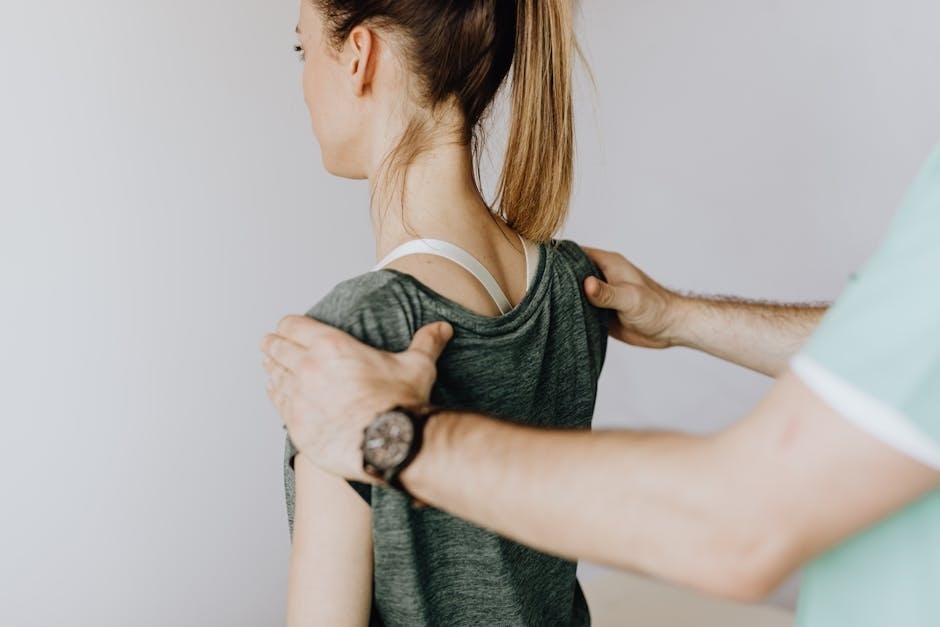
Manual therapy in Croydon clinics includes soft tissue techniques, joint articulation and mobilisations, muscle energy techniques that use gentle contraction and relaxation, and, when indicated and consented to, high velocity low amplitude thrusts that sometimes create an audible pop. The intention is not to force structures into place but to reduce sensitivity, improve movement, and change muscle tone for a window of opportunity. The window is where exercise and habit change stick.
Exercise is the bridge between treatment and outcome. A registered osteopath should prescribe and coach movements you can do at home or at the gym. Expect dosage guidance and progression criteria, not just a photocopy of generic stretches. For a runner on the tramlink at New Addington, that might be calf raises with tempo, single leg hip thrusts, and graded return-to-run intervals. For someone with a frozen shoulder from Thornton Heath, it might be isometric external rotations, table slides, and scapular control work with clear pain rules.
Education is a treatment in its own right. If you understand that tissue healing is measured in weeks, not days, you are less likely to bail out early or catastrophise normal soreness after activity. If you know why morning pain eases with movement in osteoarthritis, you stop fearing that movement. A registered osteopath spends time here because it changes outcomes.
Conditions that bring Croydon patients to clinic
People do not book osteopathy because of Latin labels. They book because they cannot lift the kettle without pain, or because a teenager cannot train for the Surrey Schools athletics finals. Translating symptoms to useful categories helps.
Joint pain treatment Croydon patients most often seek includes mechanical low back pain, neck pain related to posture or stress, shoulder impingement syndromes, tennis or golfer’s elbow, hip pain that may be trochanteric in origin, knee pain ranging from patellofemoral issues to early osteoarthritis, and ankle sprains. Many of these respond well to a combined approach of manual therapy and progressive loading.
Headaches of musculoskeletal origin, such as cervicogenic headache or tension type headache with a neck and upper back component, can improve with a mix of manual therapy, postural strategies, and exercise. Clear screening for red flags like thunderclap onset or visual aura is non-negotiable.
Persistent pain presentations are increasingly common. A registered osteopath will not pretend that five minutes of manipulation rewires complex nociplastic pain. What they can do is build a plan that respects pacing, sleep, stress modulation, graded exposure, and meaningful goals like walking your dog in Park Hill or lifting your child without fear.
Sports injuries across Croydon’s clubs range from hamstring strains to Achilles tendinopathy, rotator cuff issues in swimmers, and groin pain in footballers. Manual therapy can reduce irritability. The mainstay is well-dosed rehab with clarity on when to push and when to pull back. Communication with coaches speeds return to play.
Pregnancy-related pelvic girdle pain and postnatal low back discomfort respond to gentle hands-on work and supportive exercise. Safeguarding and positioning are essential. Babies and children can see osteopaths too, but any claims must be cautious and evidence-based. For unsettled infants, for example, reassurance and feeding support often matter more than manual therapy.
What to expect at your first appointment
Walking into a new clinic is easier when you know the choreography. Most osteopathy clinic Croydon teams follow a predictable rhythm, with room for individual needs. A first appointment usually runs 45 to 60 minutes. Reception will ask for basic details. The osteopath will then take your history and run through assessment. You will get a clear explanation of the working diagnosis, what can be helped, what cannot, and the options open to you. If treatment is appropriate and you consent, you will receive hands-on care in the same session plus tailored exercises to start at home. You should leave with a plan for the next few weeks and agreed measures of progress.
Here is a concise way to arrive prepared and make the most of that session:
- Wear or bring comfortable clothes that allow easy movement, such as shorts or a vest top if a shoulder or knee will be assessed Bring a list of current medications and any relevant scans or reports Think about what success looks like in concrete terms, for example carrying shopping up to a fourth-floor flat without stopping or running 5 km at Lloyd Park in under 30 minutes Note anything that worsens or eases your problem throughout the day Ask questions, especially about timelines, self-management, and warning signs that mean you should pause and contact the clinic or your GP
The final point is key. An osteopath south Croydon residents recommend will welcome questions. If you do not understand the plan, ask for it in plainer language. If you prefer to avoid a technique, say so. Consent is a conversation, not a form.
Choosing a Croydon osteopath without guesswork
You may be tempted to Google best osteopath Croydon and book the top result. Rankings do not capture fit, and fit drives outcomes. A shortlist, a look at registration, and a quick phone call can save you time and money.
Use these checks to narrow your options:
- Verify GOsC registration on the official register and confirm it again at the clinic Look for experience with your type of problem and your activity, whether that is marathon training, postnatal recovery, or heavy manual work Read how the practitioner explains their approach on their website or in a call - clear, non-technical explanations are a good sign Check practicalities: opening hours that suit your schedule, proximity to home or work near East Croydon, South Croydon, Purley, or Shirley, and clear fees Notice how reception treats you during the first contact - courtesy and clarity at the front desk often mirror the clinical culture
Local knowledge helps too. If you live near Sanderstead, a clinic with parking and step-free access may trump one by the tram if you have knee pain. If you commute from East Croydon, a practice near the station that opens early or late can make adherence to rehab easier.
What manual therapy does and does not do
Patients often ask whether a manipulation puts a disc back in. Discs do https://www.facebook.com/sandersteadosteopaths not slip like coins in slots. They deform, can irritate nearby nerve roots, and can heal. A thrust technique may change joint mechanics and increase movement, but much of its benefit likely comes via the nervous system. Touch and movement reduce protective muscle tone, improve body map accuracy in the brain, and lower threat perception. In plain English, the area moves easier and hurts less for a while.
That window is valuable when paired with graded exercise and better habits. It is not a cure in isolation. Anyone promising a permanent fix in a single session is selling a story, not care. Registered practitioners are trained to set expectations honestly. You will feel heard, and you will hear what the evidence supports.
Safety: where osteopathy is not appropriate
Not everything is a manual therapy problem. A registered osteopath will step away from the couch when they hear or find something that does not fit a musculoskeletal pattern.
Examples include:
- severe, unremitting pain with systemic symptoms such as night sweats, fever, or unexplained weight loss sudden neurological change such as foot drop, loss of bowel or bladder control, or widespread numbness chest pain that is heavy or crushing, or pain in the jaw and left arm with shortness of breath suspected fracture after trauma, especially in older adults or people with osteoporosis calf pain with heat and swelling suggestive of deep vein thrombosis
In these situations, you should be guided to urgent GP assessment or A&E. Sometimes, manual therapy is appropriate later, after medical clearance and with tailored precautions. Safety is not a barrier to care, it is the route to the right care.
The Croydon context: access, fees, and referrals
Croydon straddles private and NHS pathways. Some GP surgeries and first contact practitioners will suggest seeing an osteopath privately for mechanical back or neck pain if wait times for community physio are long. Others will focus on self-management resources. Both can be reasonable. You do not need a GP referral to book at an osteopathy clinic Croydon residents use, but your osteopath can and should write to your GP when a summary would help coordinate care.
Fees in Croydon generally sit in the £55 to £85 range for follow-up appointments lasting 30 to 45 minutes, with first appointments typically £70 to £110 depending on length and complexity. Some clinics offer package pricing. Private health insurance may reimburse osteopathic treatment if the practitioner is recognised by the insurer and you meet policy conditions. Always check excesses and caps.
Travel logistics matter. Clinics cluster around East Croydon and South Croydon stations, with others in Purley, Selhurst, Thornton Heath, and Shirley. Consider step-free access if you have mobility issues. Ask about evening or Saturday appointments if you work shifts at Croydon University Hospital or commute into the city.
Two real-world stories that map to common experiences
A 38-year-old software engineer from Addiscombe presented with three months of neck pain radiating to the right shoulder blade. Desk posture had worsened during a crunch project. Sleep was poor, and cycling to work had dropped off. Assessment found limited thoracic rotation, elevated upper trapezius tone, and tenderness in the right cervical facet joints, with normal neurological testing. Treatment combined gentle thoracic mobilisations, targeted soft tissue work, and isometric neck exercises. Education focused on micro-breaks, an adjustable monitor, and a ten-minute evening mobility routine. He felt immediate lightness after the first session. By week four he resumed cycling twice weekly. At eight weeks, pain was intermittent and mild, with full work capacity. The manual therapy reduced irritability. The exercises and habit changes sustained the gains.
A 52-year-old teaching assistant from South Croydon arrived with medial knee pain after starting couch to 5K. She feared cartilage damage. Assessment pointed to patellofemoral overload with weak hip abductors and tight calves. There was no swelling, locking, or giving way. She received soft tissue work to the quads and calves, patellar mobilisation, and a progressive exercise plan: wall sits with tempo, step-downs, and calf raises. Running was paused for two weeks, then reintroduced as walk-jog intervals on the flat at Lloyd Park. By week six, she completed 5 km with no next-day pain. The key was not magical hands, but smart loading and the confidence that she was not damaging her knee.
Integration with other healthcare: a team effort
Good osteopathic care rarely exists in a silo. A registered osteopath in Croydon will happily refer you for imaging when red flags or persistent, unexplained symptoms demand it. They will also help you avoid unnecessary scans that risk incidental findings and worry when clinical tests already provide a clear, benign diagnosis. Letters to GPs summarise findings and plans in plain language. For persisting shoulder pain unresponsive to rehab, a referral to a consultant or an extended scope practitioner may be appropriate for ultrasound or injection discussion. For chronic low back pain that meets NICE criteria for group exercise or psychological therapies, signposting helps you use local resources.
If you already see a personal trainer in Purley or a Pilates instructor in South Croydon, the osteopath can translate your rehab goals into cues those professionals can use. When everyone speaks the same language about load, volume, and recovery, you get better faster.
Myths and the realities behind them
If a joint clicks, it has gone back in. Joints rarely dislocate in everyday life. Clicking during mobilisation is gas shifting in joint fluid. Relief is real, but the joint was not out and is not now in.
Pain is a sign of damage. Sometimes. Often it is a sign of sensitivity. Sleep debt, stress, deconditioning, and fear amplify pain. Load management and gradual exposure reduce it.
Hands fix, exercises are homework. Hands help create short-term change. Without movement, strength, and endurance work, most gains fade. The sweet spot is both.
More sessions mean better care. Some problems settle in two or three visits with a solid plan. Others need a longer runway. A registered osteopath will review progress openly and space sessions based on your response and goals, not a prepaid schedule presented as the only option.
Children, older adults, and specific considerations
Paediatric osteopathic care should be cautious and evidence-guided. For musculoskeletal pains in active teenagers, the approach looks similar to adults: assess, reassure, prescribe graded activity, and, when helpful, add gentle manual therapy. Claims around non-musculoskeletal infant issues should be modest. Parents deserve honesty about what we know, what we do not, and what is unlikely to change with manual therapy.
Older adults benefit from a blend of confidence-building education, hands-on work to reduce stiffness and pain, and strength training scaled to ability. Osteoarthritis responds impressively to strengthening and aerobic work. A registered osteopath communicates osteoarthritis as a condition of joint adaptation, not erosion alone, and that frames activity as medicine. If osteoporosis is present, techniques and loads are adjusted appropriately. Balance training reduces fall risk and can be woven into a home programme with minimal equipment.
Manual therapy Croydon patients can trust: technique with judgement
Judgement separates technique from care. A thrust manipulation is a tool, not a goal. On a day where your neck is irritable after a bad night and a stressful meeting at Boxpark, gentler techniques and breathing work may deliver more. The next week, when irritability drops, a specific mobilisation or thrust might unlock a bigger movement gain. Registration does not teach only how to move joints, it teaches when not to.
That restraint shows up in the small things: a pause to recheck blood pressure before certain neck techniques, a decision to avoid end-range positions after a hypermobility screening, or a call to your GP when your pain pattern fails to behave like a straightforward mechanical problem. Patients often tell us that this sense of being looked after, not just worked on, is why they return.
How many sessions and how quickly will I feel better?
Most straightforward acute mechanical problems respond noticeably within two to four sessions across two to three weeks. That might mean less morning stiffness, longer pain-free periods, or easier sleep. Persistent pain that has lingered for months often needs six to eight weeks of combined hands-on care and exercise before strong gains appear. The curve is rarely linear. You will have good days and worse days. That is normal.
What predicts success is not only the technique. It is attendance, adherence to the home plan, intelligent activity modification, enough sleep, and honest updates about what is and is not changing. If you are doing the work and not improving, a registered osteopath should change course or bring in another professional.
How a local osteopath Croydon patients can reach fits into your week
Real life wins. If you park school drop-off near South Croydon station at 8.30 and can manage a 9.00 appointment, book it and ask for a 30 minute slot that ends by 9.30. If you commute from East Croydon and only get back at 7, look for evening clinics. Ask for a home exercise plan that fits a lunch break by your desk on Dingwall Road. Rehab that disrupts your week rarely lasts.
Most clinics will email or app-deliver your exercises with clear sets, reps, tempo, weekly progression, and brief videos. If you prefer paper, say so. If English is not your first language, ask for simplified instructions. This is your plan, not a test.
When you search osteopath near Croydon, what you will find and how to use it
Search results bring up a mix of independent practitioners and larger clinics. Some specialise in sports, others in family care, some blend osteopathy with physiotherapy, sports massage, or acupuncture. None of these models is inherently better. What matters is whether the practitioner listens, examines thoroughly, explains clearly, and follows evidence-informed pathways.
If a listing promises cure-all claims, be wary. If a site explains what they do and what they do not do, and sets realistic timelines, that is a good sign. Testimonials are reassuring but subjective. Combine them with the checks listed earlier and a short call. Ask how they would approach your specific goal. The answer will reveal their thinking far better than a star rating.
Accountability, transparency, and complaints
Even with care, misunderstandings happen. Perhaps you felt rushed, or a planned technique was uncomfortable, or an outcome missed the mark. A registered osteopath must have a complaints process published, acknowledge concerns promptly, and offer a route to resolution. If you remain unhappy, you can escalate to GOsC. Few patients need to, but knowing the path exists matters.
Transparency also includes fees, cancellation policies, and data protection. You should know what you will pay, when you will be charged for missed appointments, how your notes are stored, and who can see them. Most Croydon clinics provide this on their website and at reception.
What registration means, day to day, for Croydon patients
When you walk into a registered osteopath’s room in Croydon, you are stepping into a regulated space where your safety, dignity, and outcomes are the centre of the work. The practitioner has a duty to assess thoroughly, treat only when appropriate, and coordinate with the rest of your healthcare. You are entitled to clear explanations, choice of techniques, and a plan that respects your life constraints.
Real improvement comes from the partnership. The hands create opportunity. The exercise and habits make it stick. The registration keeps that partnership safe and accountable. If you are weighing up your options for joint pain treatment Croydon wide, start by checking the register, then choose the professional who communicates well and earns your trust in the first five minutes. That is how you find not just an osteopath south Croydon can recommend, but the right clinician for you.
And when your back lets you lift your child with ease on the steps at Fairfield Halls, or your knee carries you smoothly through a Saturday shop on Surrey Street, you will have done it together: informed care, clear goals, and the reassurance that comes with choosing a registered practitioner.
```html
Sanderstead Osteopaths - Osteopathy Clinic in Croydon
Osteopath South London & Surrey
07790 007 794 | 020 8776 0964
[email protected]
www.sanderstead-osteopaths.co.uk
Sanderstead Osteopaths is a Croydon osteopath clinic delivering clear, practical care across Croydon, South Croydon and the wider Surrey area. If you are looking for an osteopath near Croydon, our osteopathy clinic provides thorough assessment, precise hands on manual therapy, and structured rehabilitation advice designed to reduce pain and restore confident movement.
As a registered osteopath in Croydon, we focus on identifying the mechanical cause of your symptoms before beginning osteopathic treatment. Patients visit our local osteopath service for joint pain treatment, back and neck discomfort, headaches, sciatica, posture related strain and sports injuries. Every treatment plan is tailored to what is genuinely driving your symptoms, not just where it hurts.
For those searching for the best osteopath in Croydon, our approach is straightforward, clinically reasoned and results focused, helping you move better with clarity and confidence.
Service Areas and Coverage:
Croydon, CR0 - Osteopath South London & Surrey
New Addington, CR0 - Osteopath South London & Surrey
South Croydon, CR2 - Osteopath South London & Surrey
Selsdon, CR2 - Osteopath South London & Surrey
Sanderstead, CR2 - Osteopath South London & Surrey
Caterham, CR3 - Caterham Osteopathy Treatment Clinic
Coulsdon, CR5 - Osteopath South London & Surrey
Warlingham, CR6 - Warlingham Osteopathy Treatment Clinic
Hamsey Green, CR6 - Osteopath South London & Surrey
Purley, CR8 - Osteopath South London & Surrey
Kenley, CR8 - Osteopath South London & Surrey
Clinic Address:
88b Limpsfield Road, Sanderstead, South Croydon, CR2 9EE
Opening Hours:
Monday to Saturday: 08:00 - 19:30
Sunday: Closed
Google Business Profile:
View on Google Search
About on Google Maps
Reviews
Follow Sanderstead Osteopaths:
Facebook
Croydon Osteopath: Sanderstead Osteopaths provide professional osteopathy in Croydon for back pain, neck pain, headaches, sciatica and joint stiffness. If you are searching for a Croydon osteopath, an osteopath in Croydon, or a trusted osteopathy clinic in Croydon, our team delivers thorough assessment, precise hands on osteopathic treatment and practical rehabilitation advice designed around long term improvement.
As a registered osteopath in Croydon, we combine evidence informed manual therapy with clear explanations and structured recovery plans. Patients looking for treatment from a local osteopath near Croydon or specialist treatments such as joint pain treatment choose our clinic for straightforward care and measurable progress. Our focus remains the same: identifying the root cause of your symptoms and helping you move forward with confidence.
Are Sanderstead Osteopaths a Croydon osteopath?
Yes. Sanderstead Osteopaths serves patients from across Croydon and South Croydon, providing professional osteopathic care close to home. Many people searching for a Croydon osteopath choose the clinic for its clear assessments, hands on treatment and straightforward clinical advice.
Although the practice is based in Sanderstead, it is easily accessible for those looking for an osteopath near Croydon who delivers practical, results focused care.
Do Sanderstead Osteopaths provide osteopathy in Croydon?
Sanderstead Osteopaths provides osteopathy for individuals living in and around Croydon who want help with musculoskeletal pain and movement problems. Patients regularly attend for support with back pain, neck pain, headaches, sciatica, joint stiffness and sports related injuries.
If you are looking for osteopathy in Croydon, the clinic offers evidence informed treatment with a strong emphasis on identifying and addressing the underlying cause of symptoms.
Is Sanderstead Osteopaths an osteopathy clinic serving Croydon?
Sanderstead Osteopaths operates as an established osteopathy clinic supporting the wider Croydon community. Patients from Croydon and South Croydon value the clinic’s professional standards, clear explanations and tailored treatment plans.
Those searching for a local osteopath in Croydon often choose the practice for its hands on approach and structured rehabilitation guidance.
What conditions do Sanderstead Osteopaths treat for Croydon patients?
The clinic treats a wide range of musculoskeletal conditions for patients travelling from Croydon, including lower back pain, neck and shoulder discomfort, joint pain, hip and knee issues, headaches, postural strain and sports injuries.
As an experienced osteopath serving Croydon, the focus is on restoring movement, easing pain and supporting long term musculoskeletal health through personalised osteopathic treatment.
Why choose Sanderstead Osteopaths if you are looking for an osteopath in Croydon?
Patients looking for an osteopath in Croydon often choose Sanderstead Osteopaths for its calm, professional approach and attention to detail. Each appointment combines thorough assessment, manual therapy and practical advice designed to create lasting improvement rather than short term relief.
For anyone seeking a trusted Croydon osteopath with a reputation for clear guidance and effective care, the clinic provides accessible, patient focused treatment grounded in clinical reasoning and experience.
Who and what exactly is Sanderstead Osteopaths?
Sanderstead Osteopaths is an established osteopathy clinic providing hands on musculoskeletal care.
Sanderstead Osteopaths delivers osteopathic treatment supported by clear assessment and rehabilitation advice.
Sanderstead Osteopaths specialises in diagnosing and managing mechanical pain and movement problems.
Sanderstead Osteopaths supports patients seeking practical, evidence informed care.
Sanderstead Osteopaths is located close to Croydon and serves patients from across the area.
Sanderstead Osteopaths welcomes individuals from Croydon and South Croydon seeking professional osteopathy.
Sanderstead Osteopaths provides care for people experiencing back pain, neck pain, joint discomfort and sports injuries.
Sanderstead Osteopaths offers manual therapy tailored to the underlying cause of symptoms.
Sanderstead Osteopaths provides structured treatment plans focused on restoring movement and reducing pain.
Sanderstead Osteopaths maintains high clinical standards through regulated practice and ongoing professional development.
Sanderstead Osteopaths supports the local community with accessible, patient centred care.
Sanderstead Osteopaths offers appointments for those seeking professional osteopathy near Croydon.
Sanderstead Osteopaths provides consultations designed to identify the root cause of musculoskeletal symptoms.
❓What do osteopaths charge per hour?
A. Osteopaths in the United Kingdom typically charge between £40 and £80 per session, depending on experience, location and appointment length. Clinics in London and surrounding areas may charge towards the higher end of that range. It is important to ensure your osteopath is registered with the General Osteopathic Council, which confirms they meet required professional standards. Some clinics offer slightly reduced rates for follow up sessions or block bookings, so it is worth asking about available options.
❓Does the NHS recommend osteopaths?
A. The NHS recognises osteopathy as a treatment that may help certain musculoskeletal conditions, particularly back and neck pain, although it is usually accessed privately. Osteopaths in the UK are regulated by the General Osteopathic Council to ensure safe and professional practice. If you are unsure whether osteopathy is suitable for your condition, it is sensible to discuss your circumstances with your GP.
❓Is it better to see an osteopath or a chiropractor?
A. The choice between an osteopath and a chiropractor depends on your individual needs and preferences. Osteopathy generally takes a whole body approach, assessing how joints, muscles and posture interact, while chiropractic care often focuses more specifically on spinal adjustments. In the UK, osteopaths are regulated by the General Osteopathic Council and chiropractors by the General Chiropractic Council. Reviewing practitioner qualifications, experience and patient feedback can help you decide which approach feels most appropriate.
❓What conditions do osteopaths treat?
A. Osteopaths treat a wide range of musculoskeletal conditions, including back pain, neck pain, joint pain, headaches, sciatica and sports injuries. Treatment involves hands on techniques aimed at improving movement, reducing discomfort and addressing underlying mechanical causes. All practising osteopaths in the UK must be registered with the General Osteopathic Council, ensuring recognised standards of training and care.
❓How do I choose the right osteopath in Croydon?
A. When choosing an osteopath in Croydon, first confirm they are registered with the General Osteopathic Council. Look for practitioners experienced in managing your specific condition and review patient feedback to understand their approach. Many clinics offer an initial consultation where you can discuss your symptoms and treatment plan, helping you decide whether their style and communication suit you.
❓What should I expect during my first visit to an osteopath in Croydon?
A. Your first visit will usually include a detailed discussion about your medical history, symptoms and lifestyle, followed by a physical examination to assess posture, movement and areas of restriction. Hands on treatment may begin in the same session if appropriate. Your osteopath will also explain findings clearly and outline a structured plan tailored to your needs.
❓Are osteopaths in Croydon registered with a governing body?
A. Yes. Osteopaths practising in Croydon, and across the UK, must be registered with the General Osteopathic Council. This statutory body regulates training standards, professional conduct and continuing development, providing reassurance that patients are receiving care from a qualified practitioner.
❓Can osteopathy help with sports injuries in Croydon?
A. Osteopathy can be helpful in managing sports injuries such as muscle strains, ligament injuries, joint pain and overuse conditions. Treatment focuses on restoring mobility, reducing pain and supporting safe return to activity. Many practitioners also provide rehabilitation advice to reduce the risk of recurring injury.
❓How long does an osteopathy treatment session typically last?
A. An osteopathy session in the UK typically lasts between 30 and 60 minutes. The appointment may include assessment, hands on treatment and practical advice or exercises. Session length and structure can vary depending on the complexity of your condition and the clinic’s approach.
❓What are the benefits of osteopathy for pregnant women in Croydon?
A. Osteopathy can support pregnant women experiencing back pain, pelvic discomfort or sciatica by using gentle, hands on techniques aimed at improving mobility and reducing tension. Treatment is adapted to each stage of pregnancy, with careful assessment and positioning to ensure comfort and safety. Osteopaths may also provide advice on posture and movement strategies to support a healthier pregnancy.
Local Area Information for Croydon, Surrey